
Transit
What is transit and what types of it are there?
Transit plays a crucial role in logistics – it is one of the key elements in international transport supply chain. In the current era of global economy, where companies operate simultaneously in multiple markets, the right management of logistics and transit procedures should constitute a thoroughly thought-out element of the company’s strategy.
Types of transit: internal and external
In accordance with the standard division, two types of transit can be distinguished: internal and external. What are their characteristics?
The external transit is a carriage which includes changing the customs status of the goods – it is a transport of cargo originating from outside of Iran through Iran territory. This term refers to moving goods from the location where they are loaded to their destination (one of our neighbors).
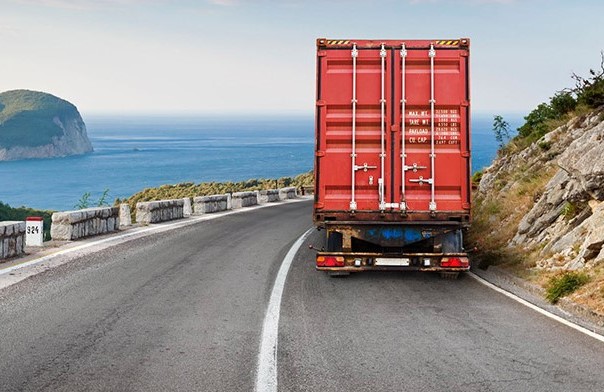
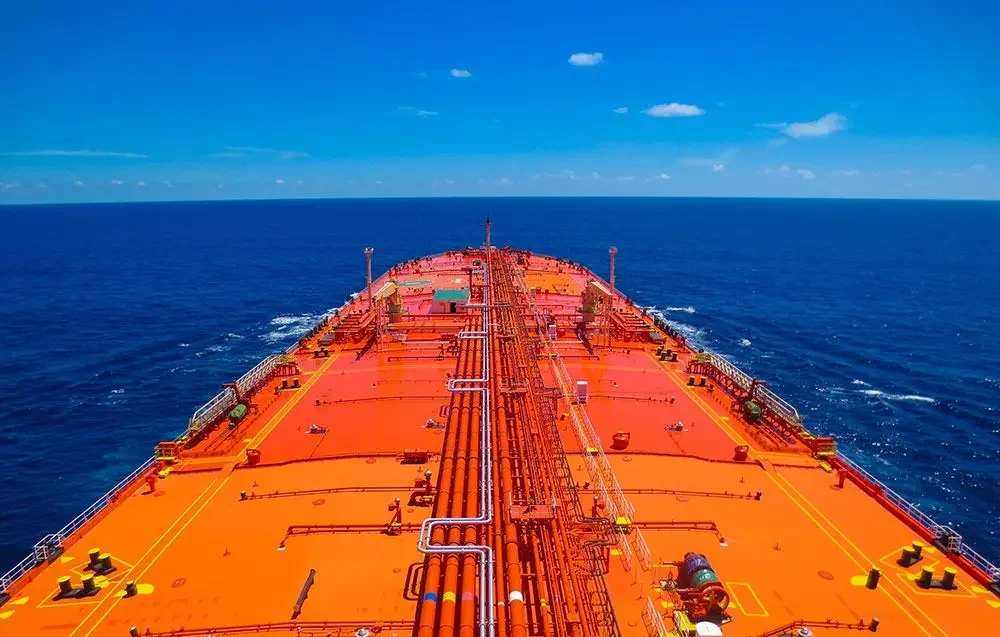
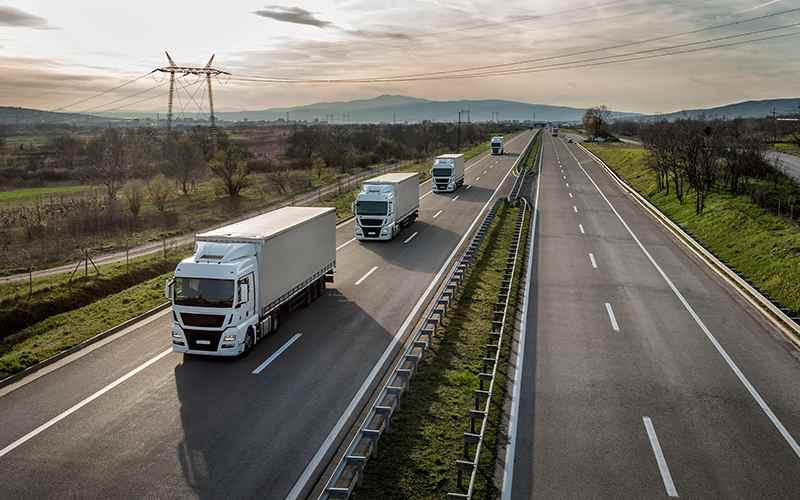
In practice, this means that no customs duties or taxes are paid in our country where neither loading nor unloading operations take place – such fees are applicable in the country of destination, where the goods are unloaded. Transit includes road, sea, and railway transport. It is one of key elements of supply chain and is necessary for efficient delivery of goods to their destinations. An example of transit may be driving through Iran(via southern ports of Iran) as part of executing a transport order for which loading was performed in China and unloading – in Moscow.
It should be noted that transit of goods is regulated by various types of arrangements, conventions, and agreements, which set forth the conditions, procedures, and obligations in relation to moving goods in international transport .
The internal transit of goods is a transport within the customs border of Iran. The cargo status does not change in this case and the carriage itself involves simple formalities. The transport mode may be changed as part of the internal transit, however, changing the contents of the carried cargo is not allowed.
Importance of transit in a supply chain
The transit of goods ensures, for example, fast movement of cargo from the starting point to the destination, accelerating the delivery. Planning optimal routs allows to minimize transportation costs, avoid unnecessary stops and reduce the number of empty miles. Transit of goods also enables the companies to react quickly to changes in demand and needs of the customers.